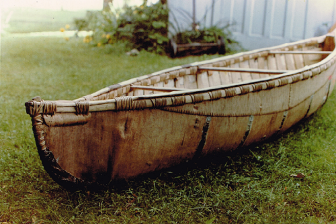
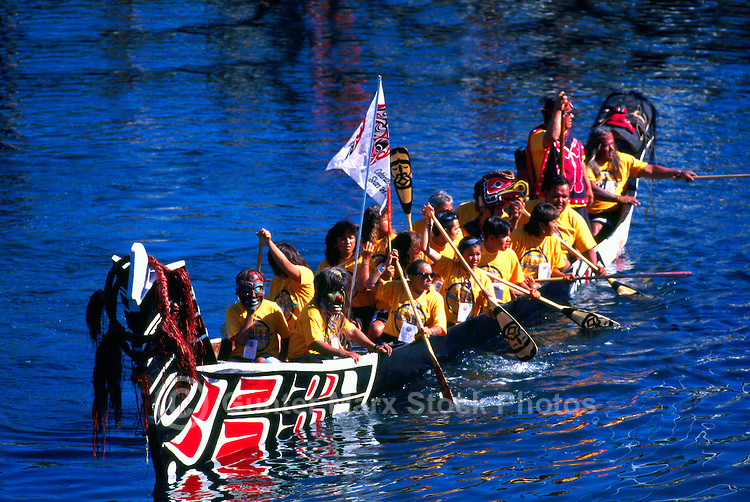
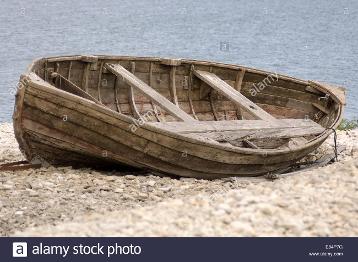
Birch Bark Canoe Dugout Canoe(bateau) European and Ships
Which was better and why?
During the 17th century the birch bark canoe was key to Canada. Although Canada does include some ocean waters, creeks, rivers, lakes, rapids, and shallow waters are what make up most of Canada. In these kind of waters you needed a light and sturdy boat that could be use by one or two people. The dugout canoe was to big and heavy and would get hung up in most creeks and some rivers. The British and French boats where without a doubt useless in the Canadian waters. The canoe might of been risky in heavy waters such as the ocean but it was never intended for that kind of use. The fur trade depended on these boats, first nation would use them for trapping in narrow and shallow waters. It was such a good design settlers used it when they came to Canada for fishing, transportation, and carrying supplies. The boat could hit rocks, trees, and go through rapids without piercing. Most importantly while the ships would take years to to build, dugouts would take months, the birch bark canoe would take days to construct. This simple and effective design was so well done to this day people still build them and the modern canoe is based off of these first nation boats.